Elk Grove, CA · Garage Door Service
Garage door repair, spring replacement, and opener service for Elk Grove homes built 1946-2004. Local techs who know 1960s-70s tract door hardware well.
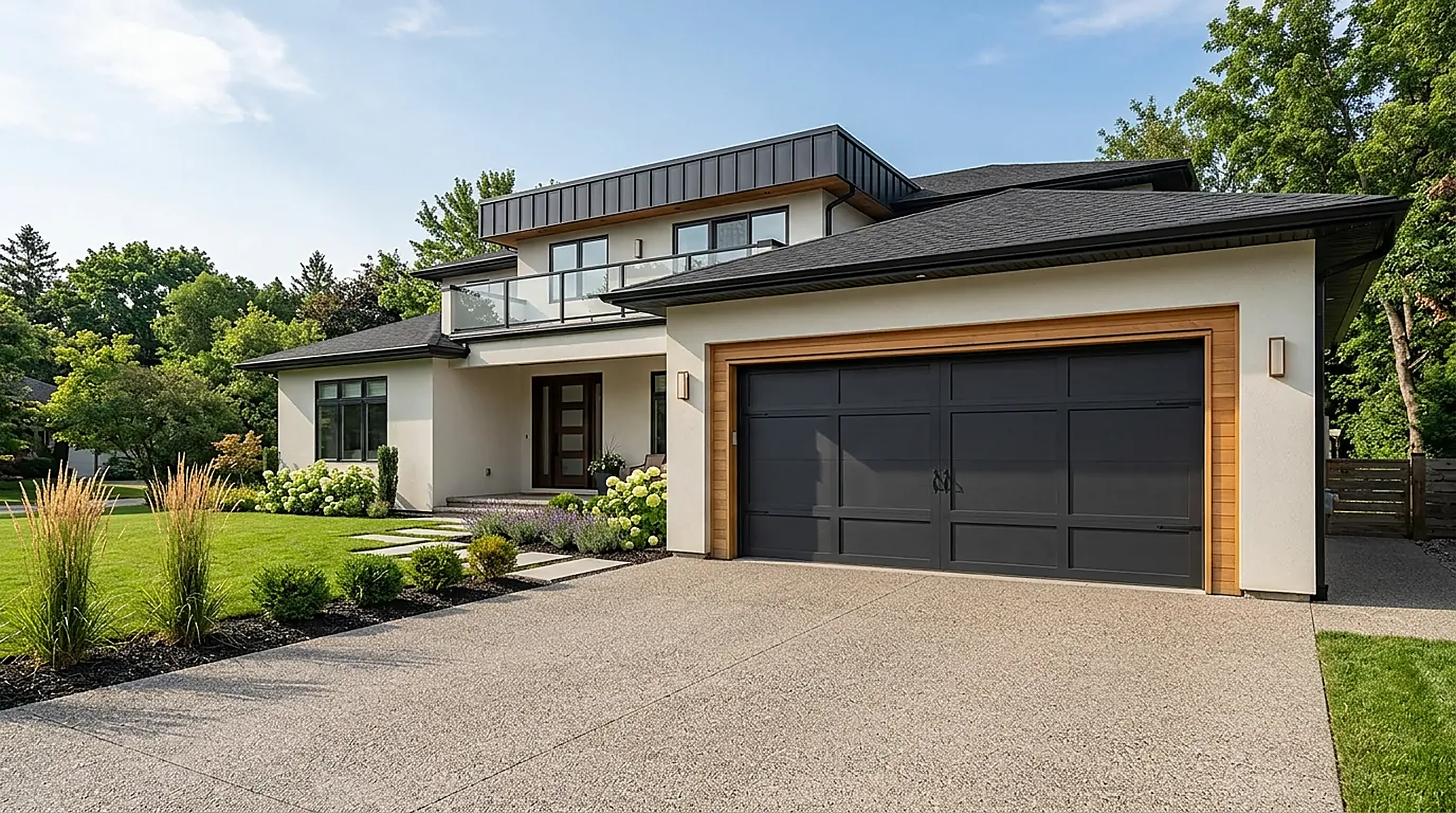
What We Do
From a snapped spring to a full door replacement - one local crew, upfront pricing.
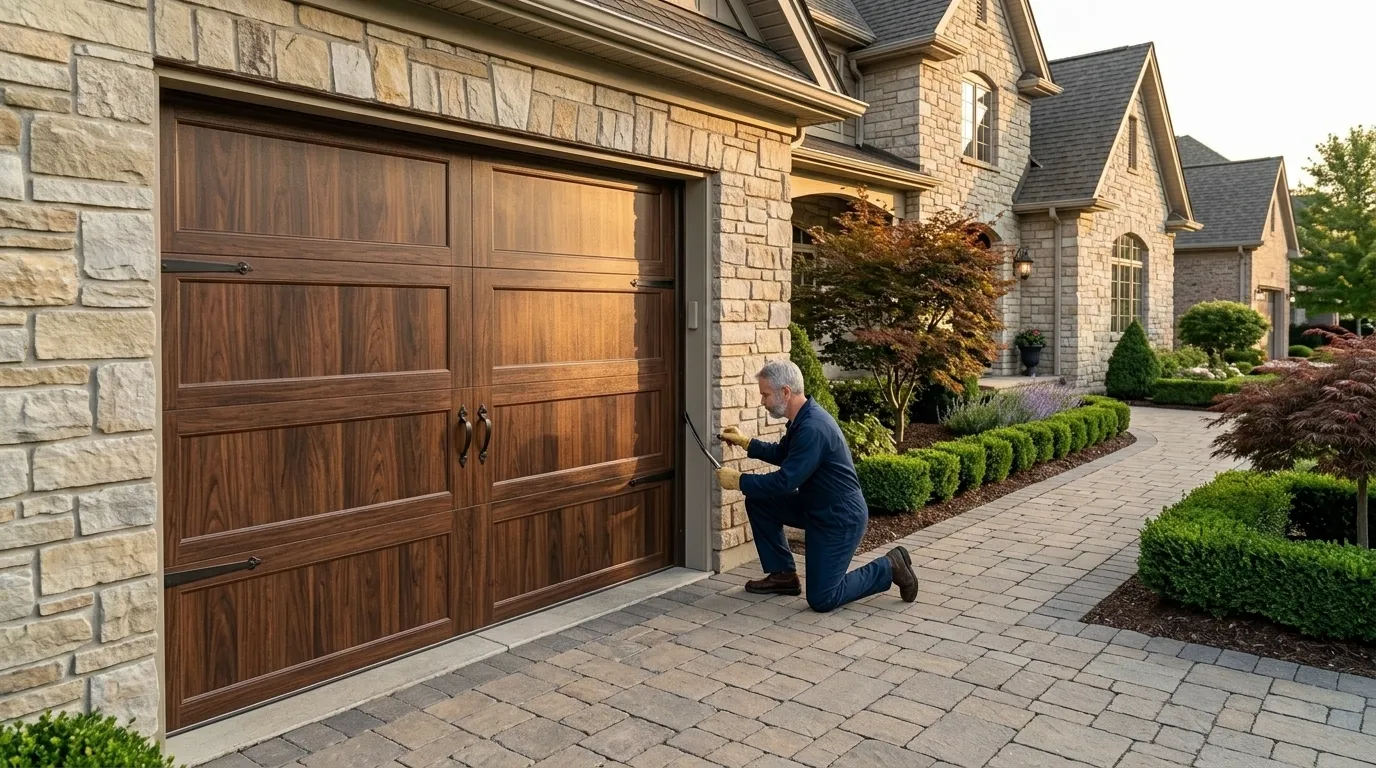
Off-track doors, snapped cables, bent panels and grinding openers - diagnosed and fixed.
Learn more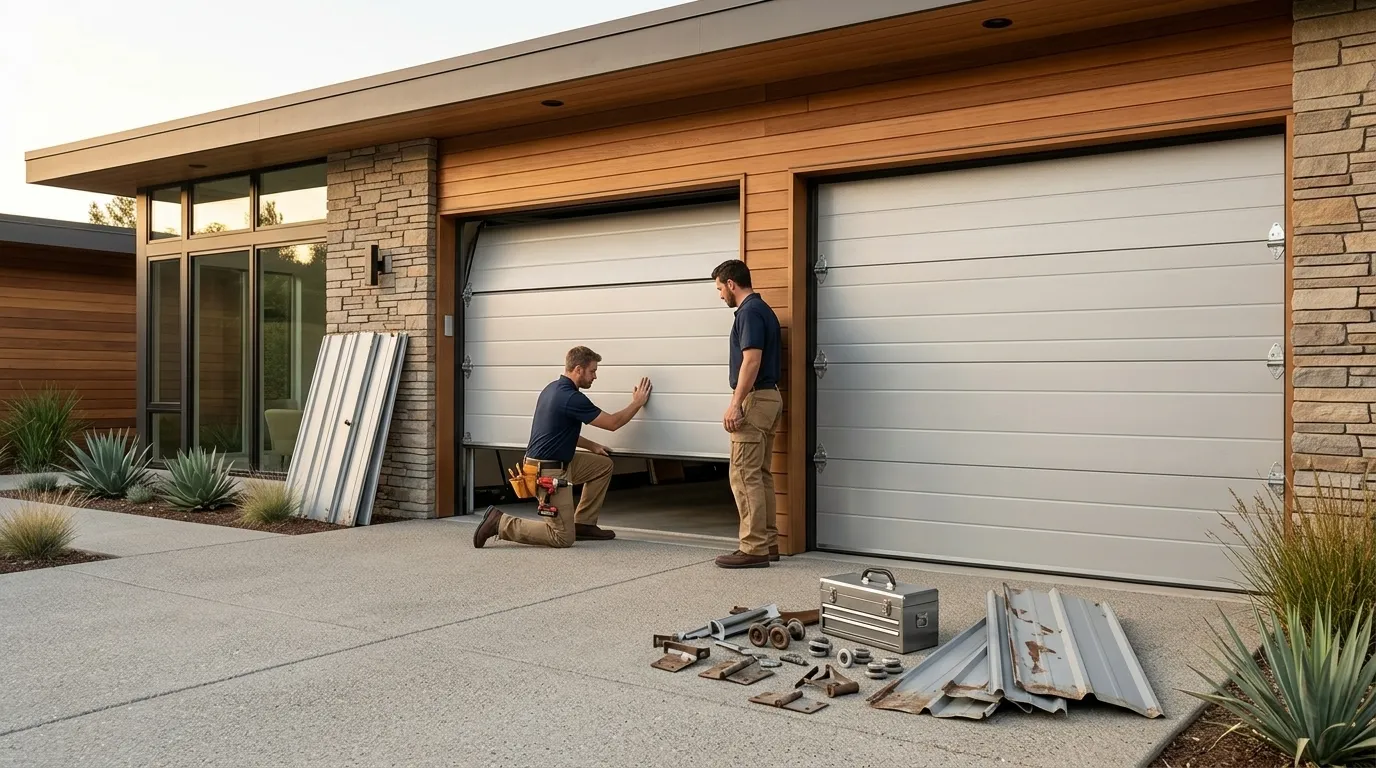
Torsion and extension springs replaced safely - the job you should never DIY.
Learn more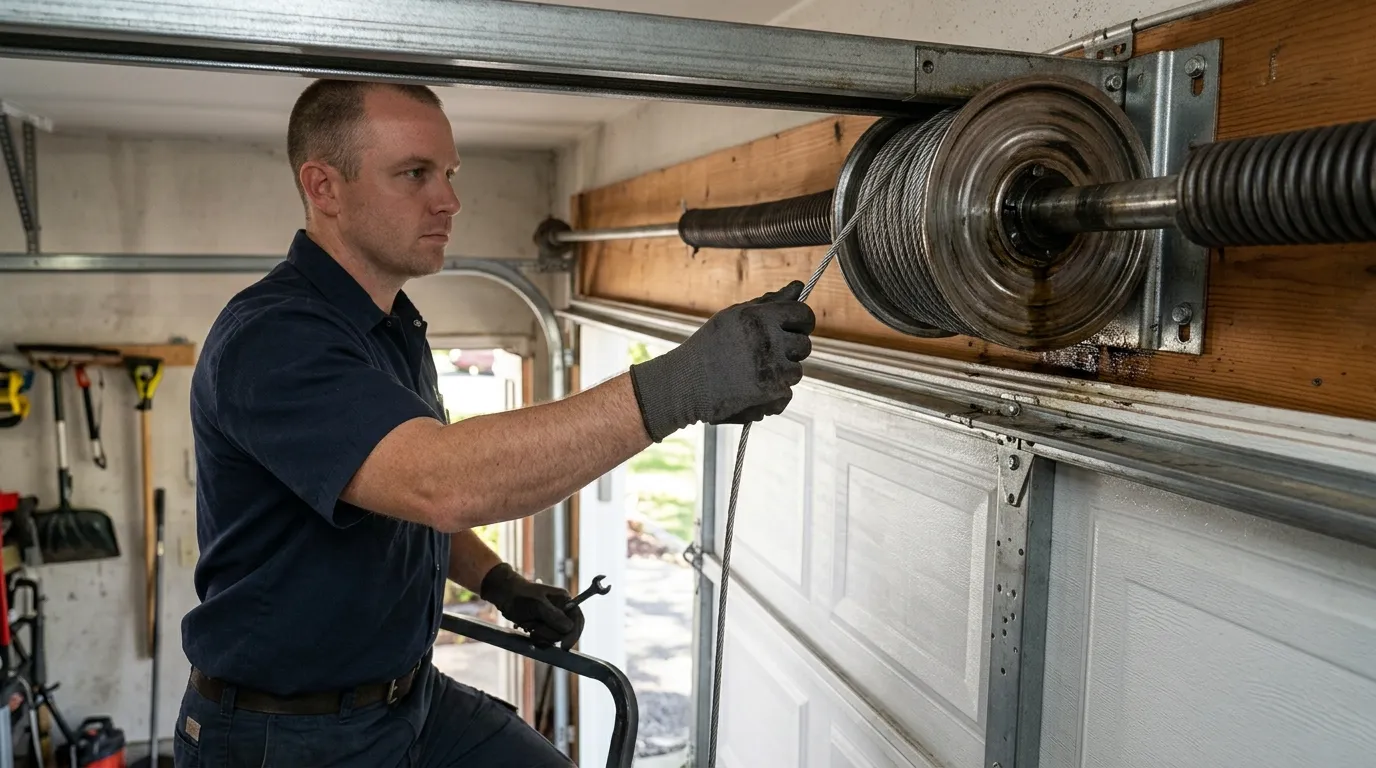
New openers sized to your door, wired, programmed and safety-tested.
Learn more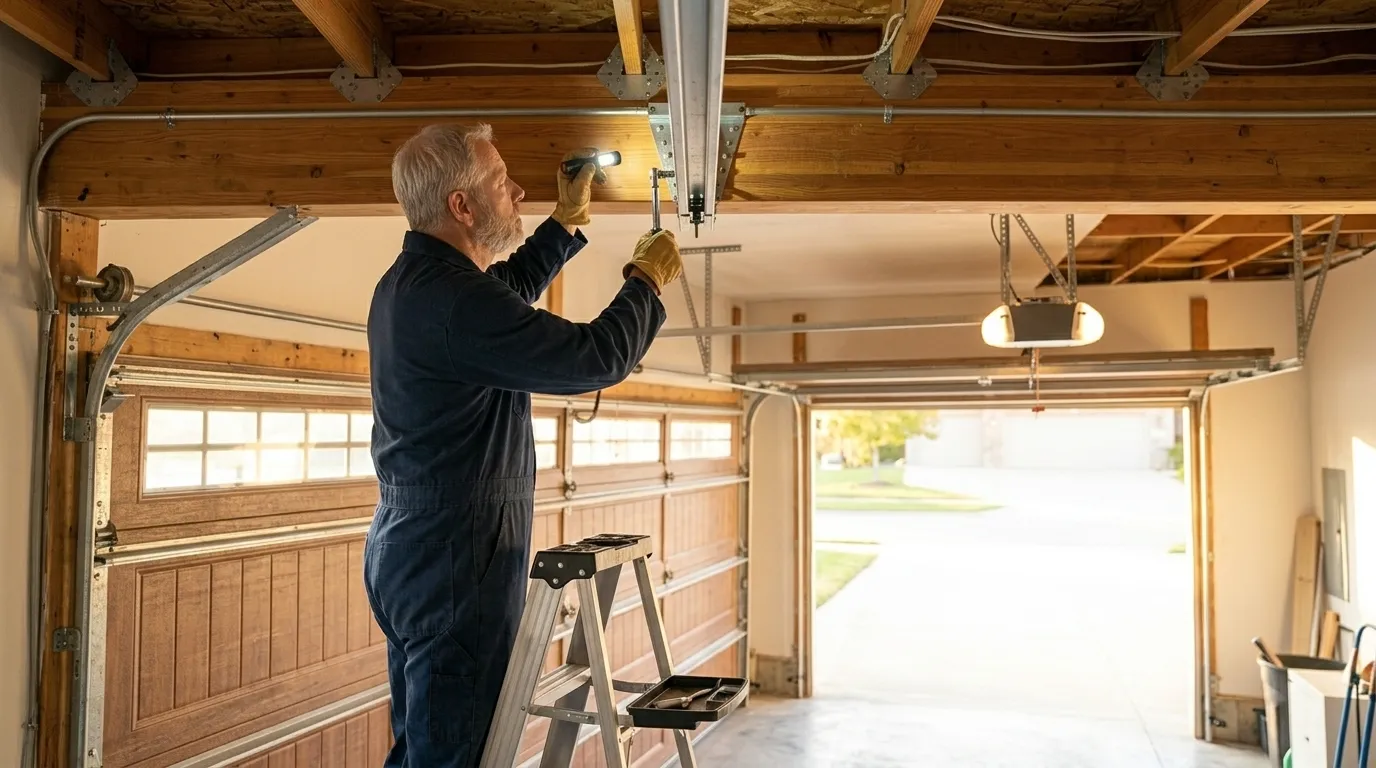
24/7 same-day help for a door that's stuck, off-track or won't secure.
Learn more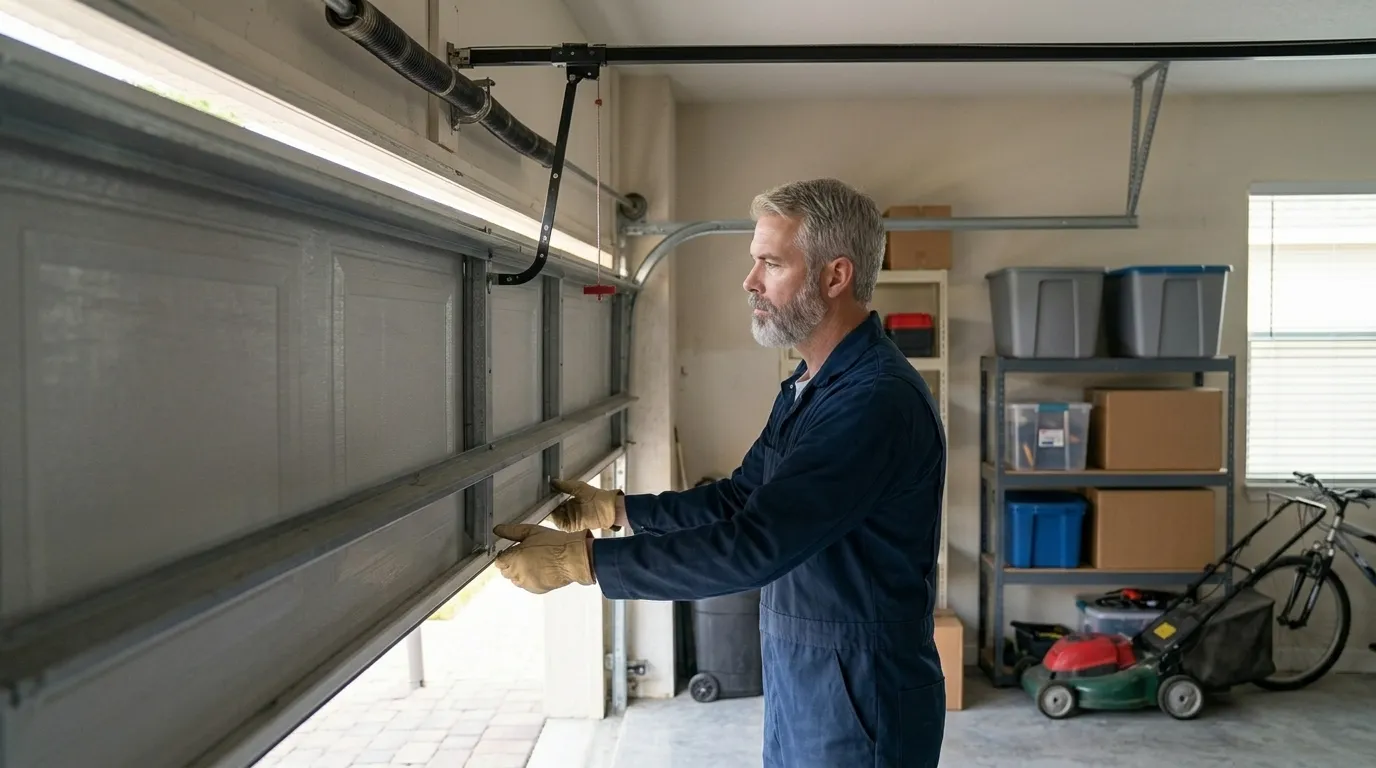
Worn nylon or steel rollers replaced to kill the grinding and shaking.
Learn more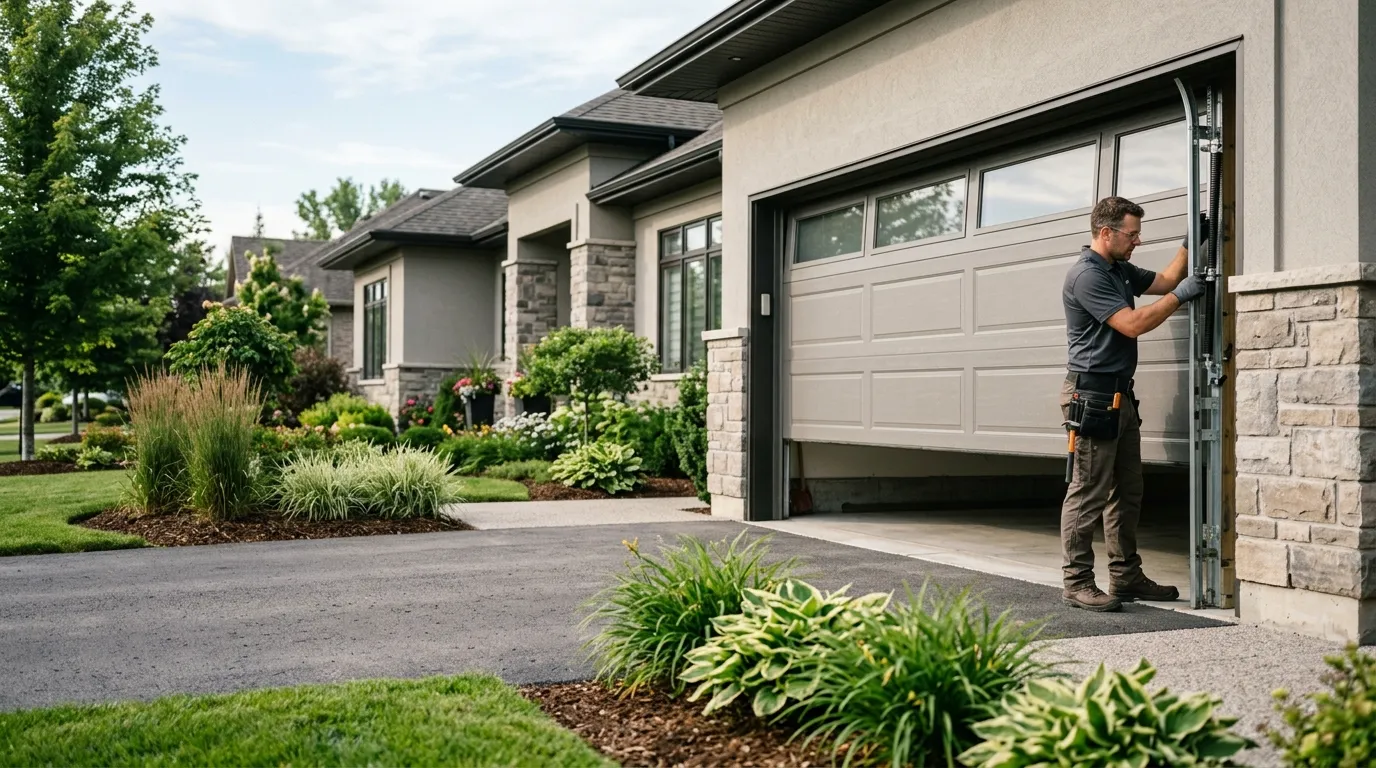
Spring tension, roller and track service that keeps an older door running quiet.
Learn moreFast Response
A stuck or broken garage door can't wait. Call before the afternoon and we can usually be out the same day - most repairs are diagnosed and finished on the first visit, with an upfront price before any work starts.
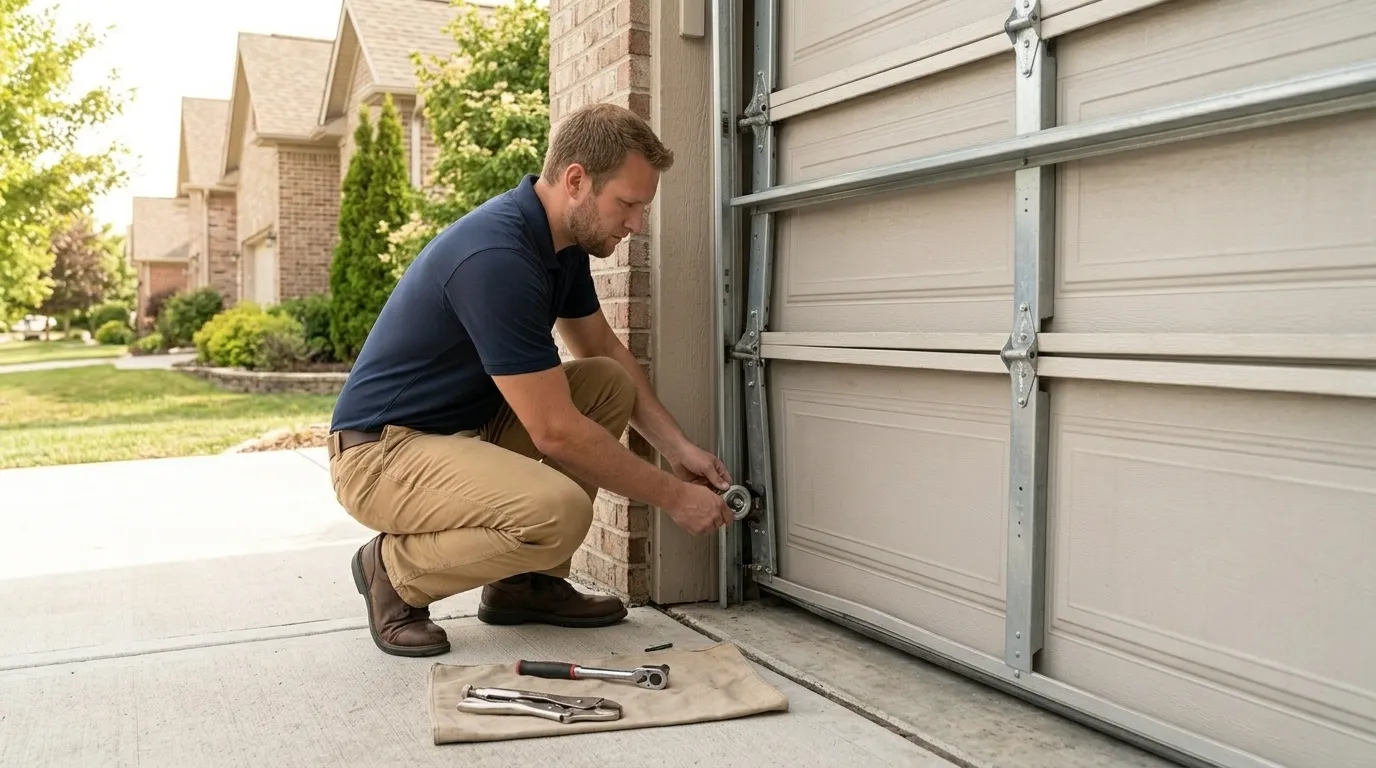 Same-day service
Why Elk Grove Calls Us
Most repair calls are handled the same or next day - springs and openers don't wait.
Trained techs, proper spring tools, and the insurance to back the work.
A written quote at the door before any work starts - no surprise add-ons.
We diagnose the actual cause, not just the symptom, so the door stays fixed.
Fully stocked trucks mean most repairs are finished on the first visit, no second trip.
A Elk Grove-based team you can reach directly, not a national call center.
How It Works
Call or request a quote and describe what the door is doing - noise, off-track, won't open.
A tech inspects the springs, tracks, opener and panels and gives you a written price first.
Most repairs are done on the same visit; installs are scheduled around you.
Our Work
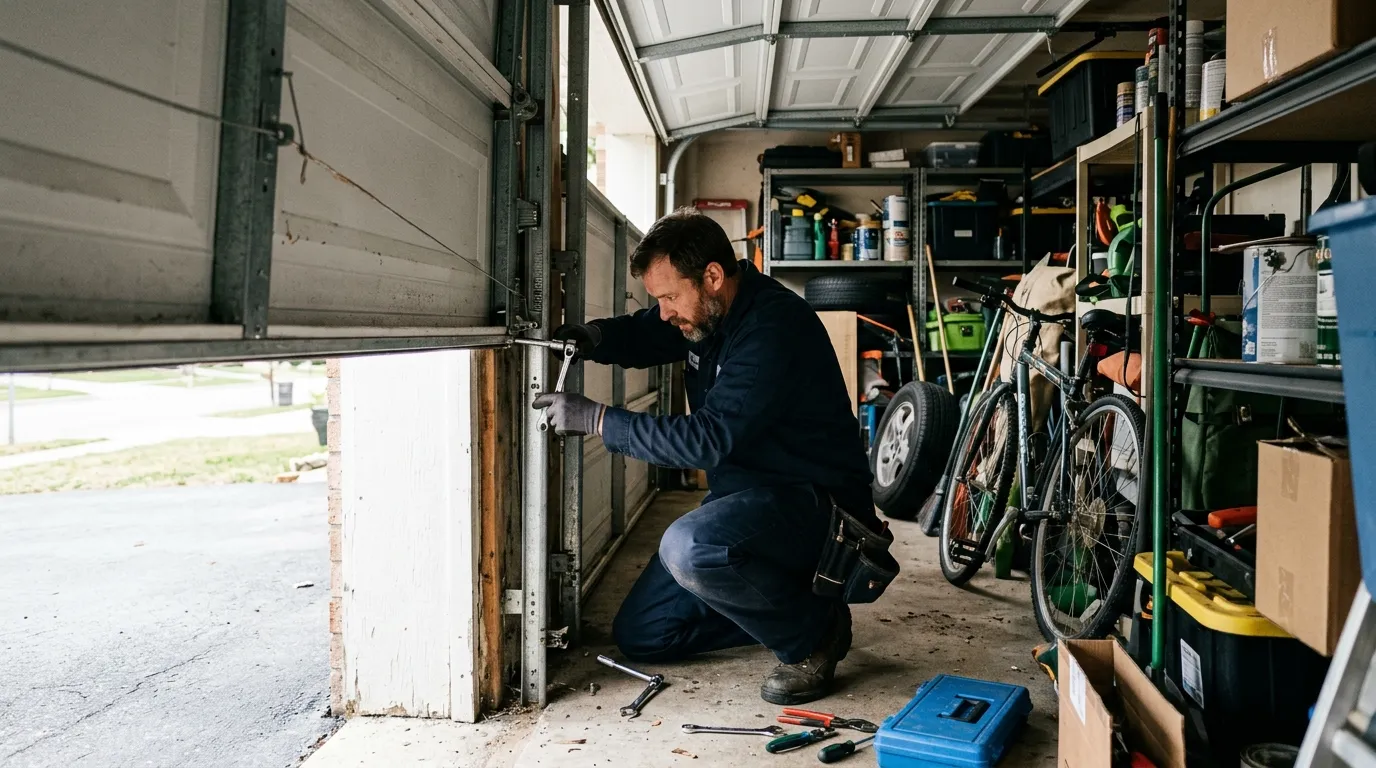
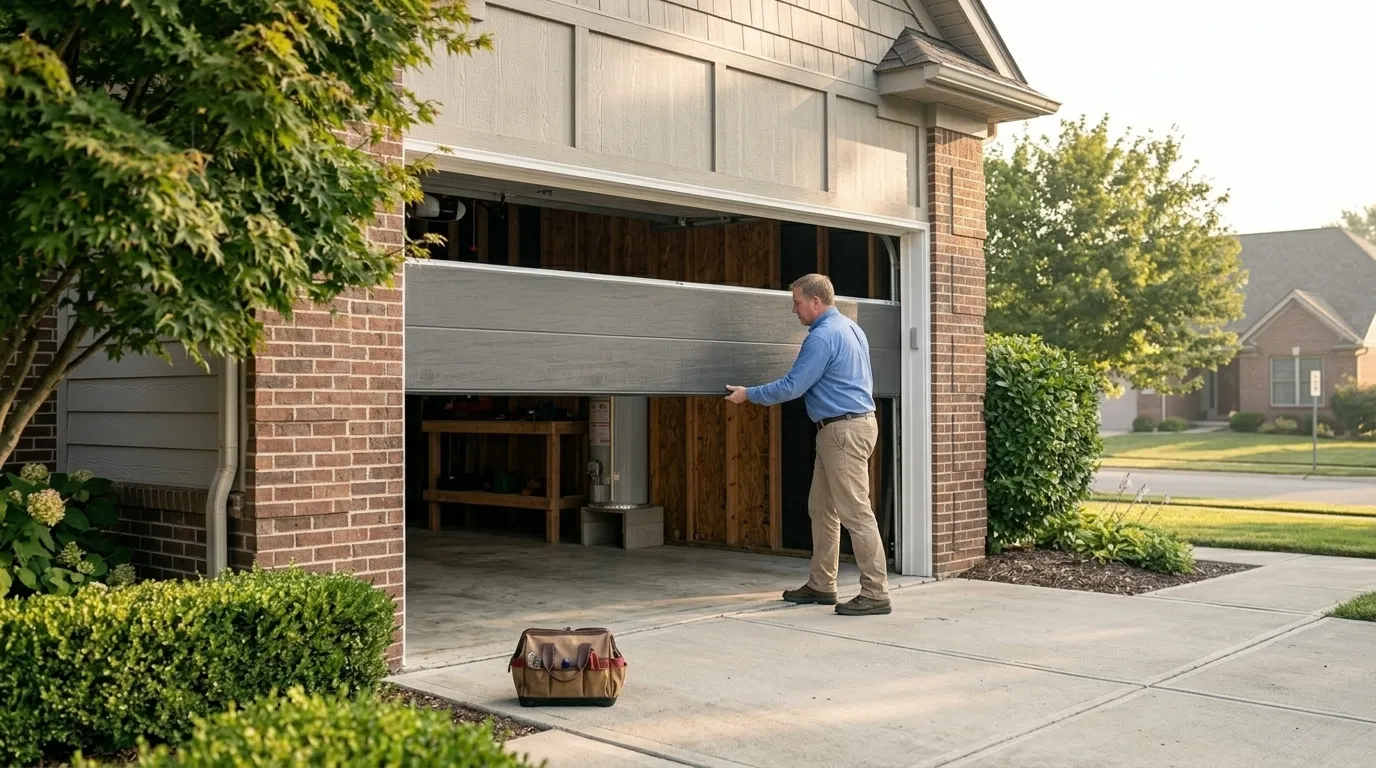
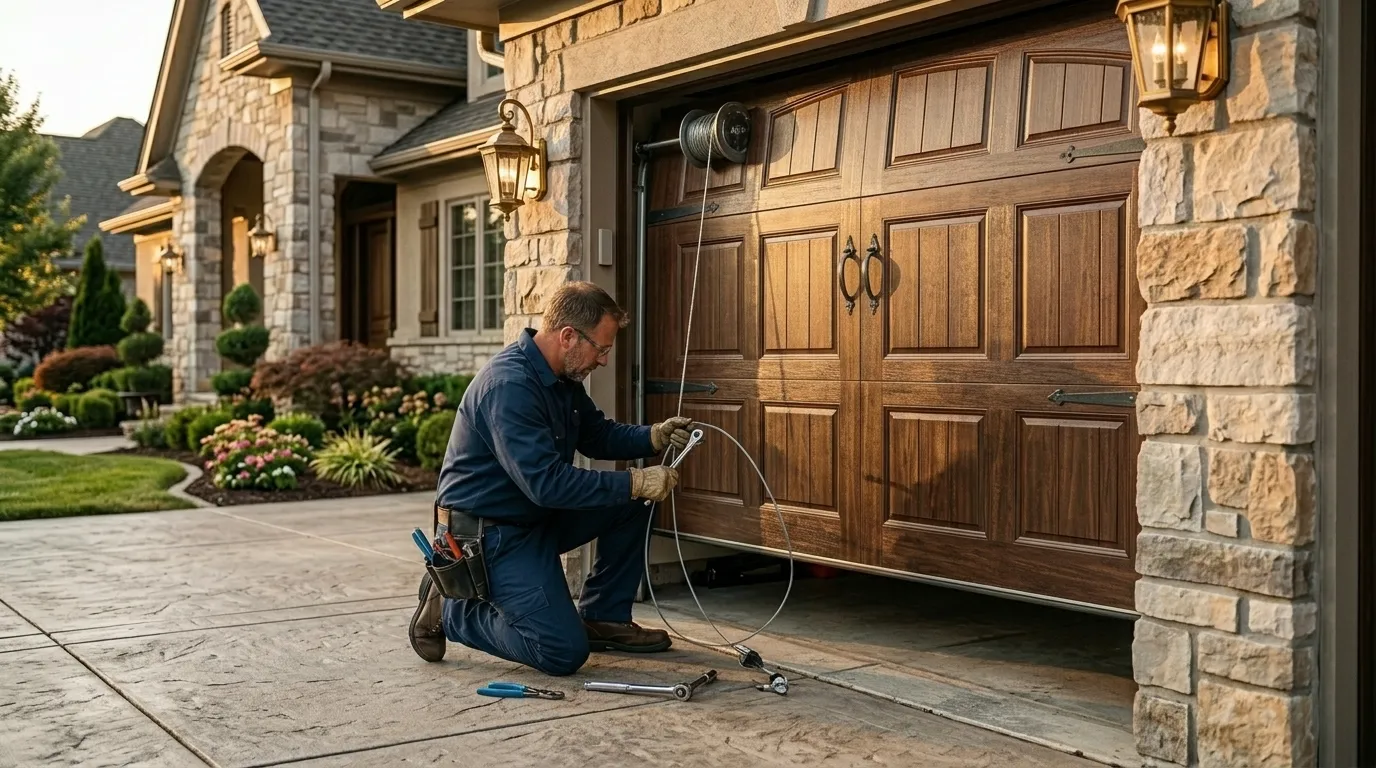
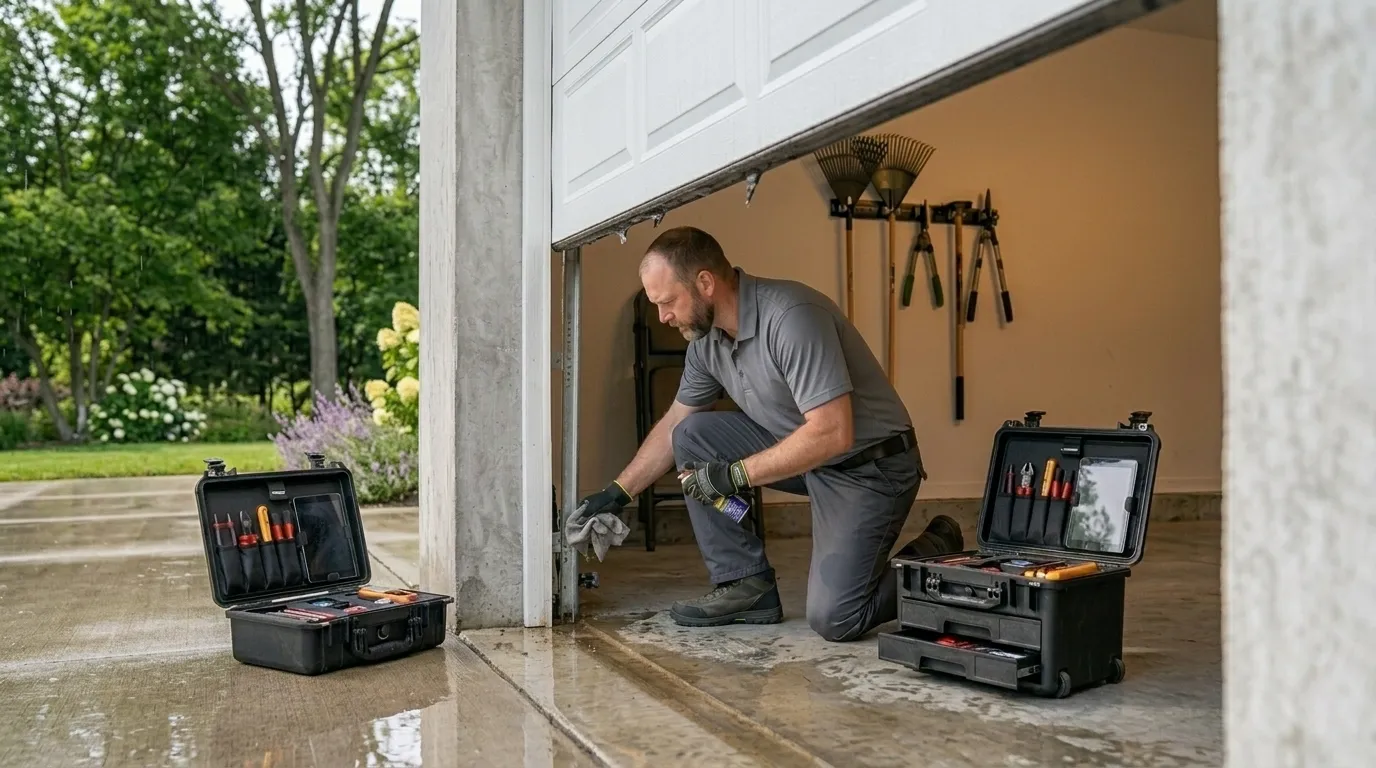
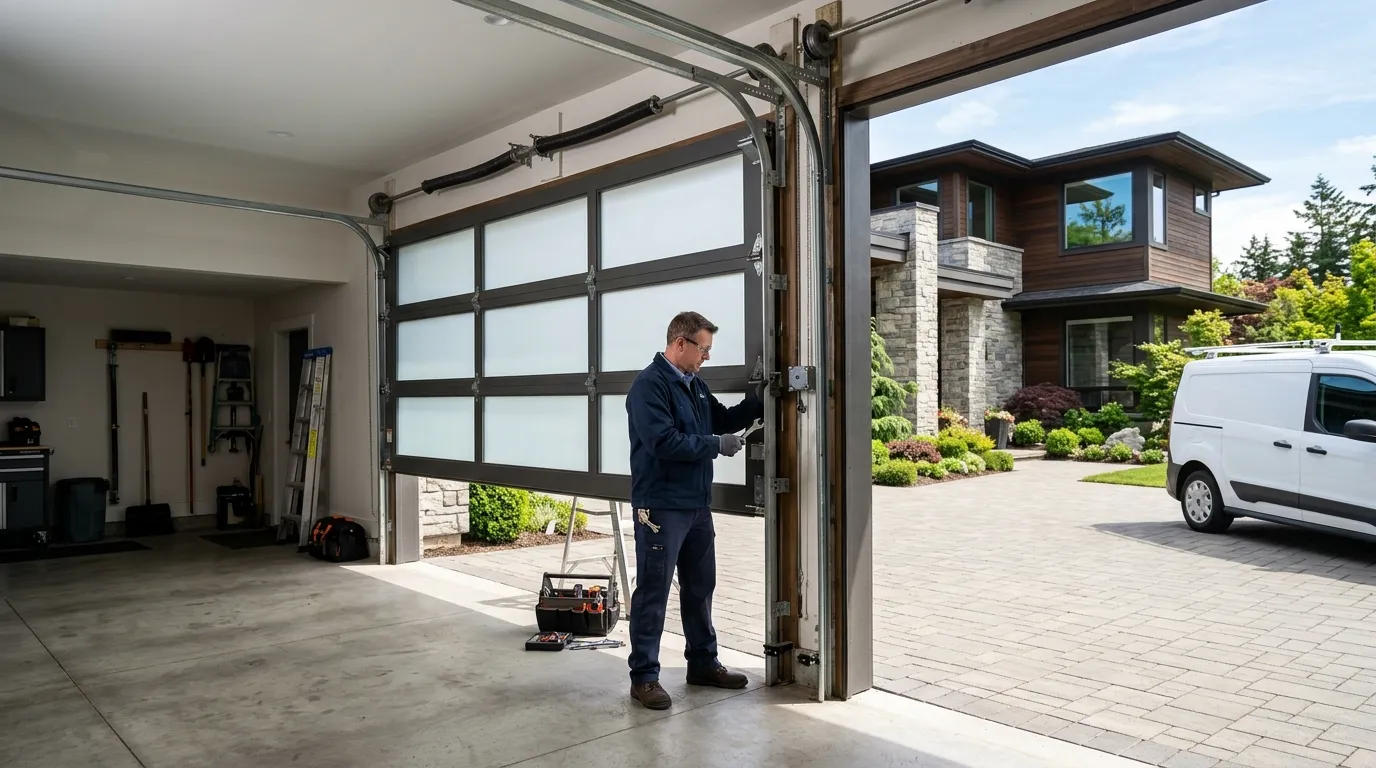
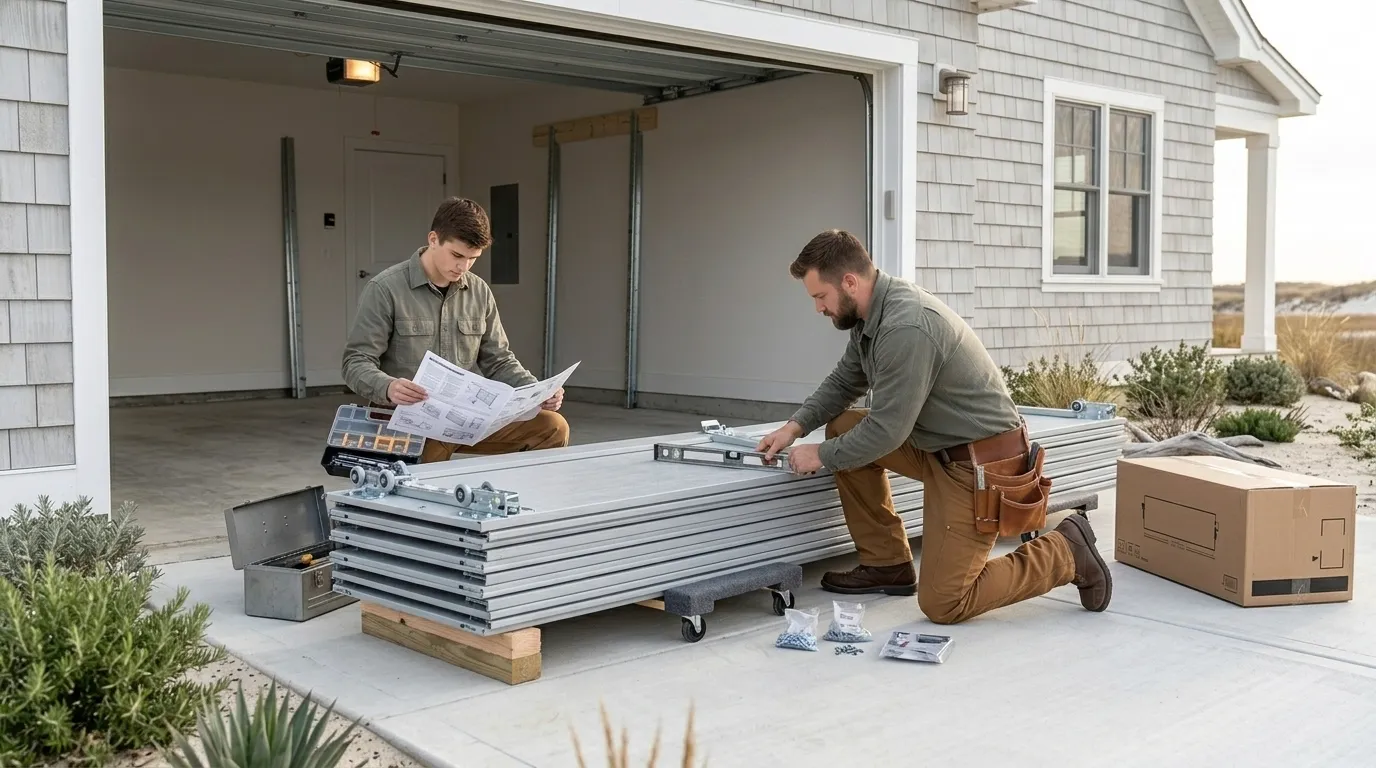
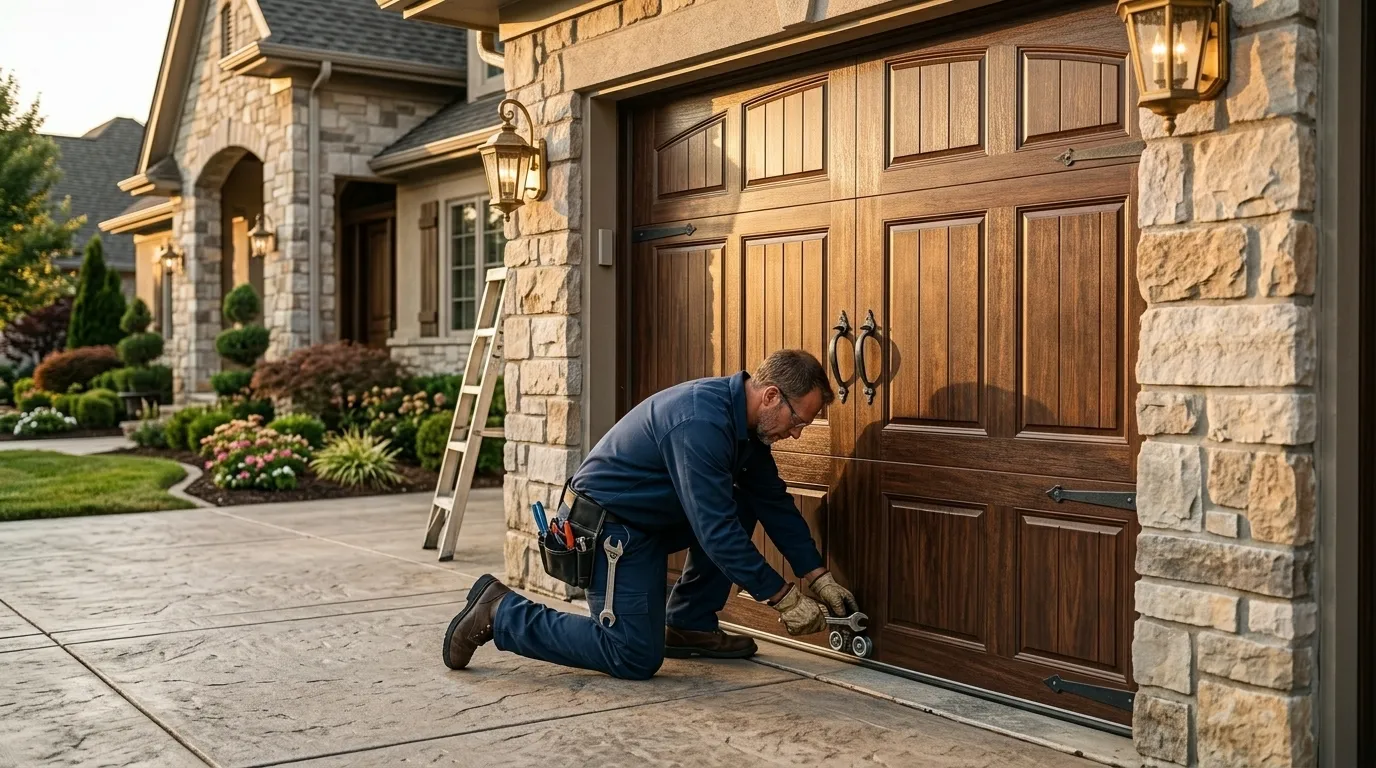
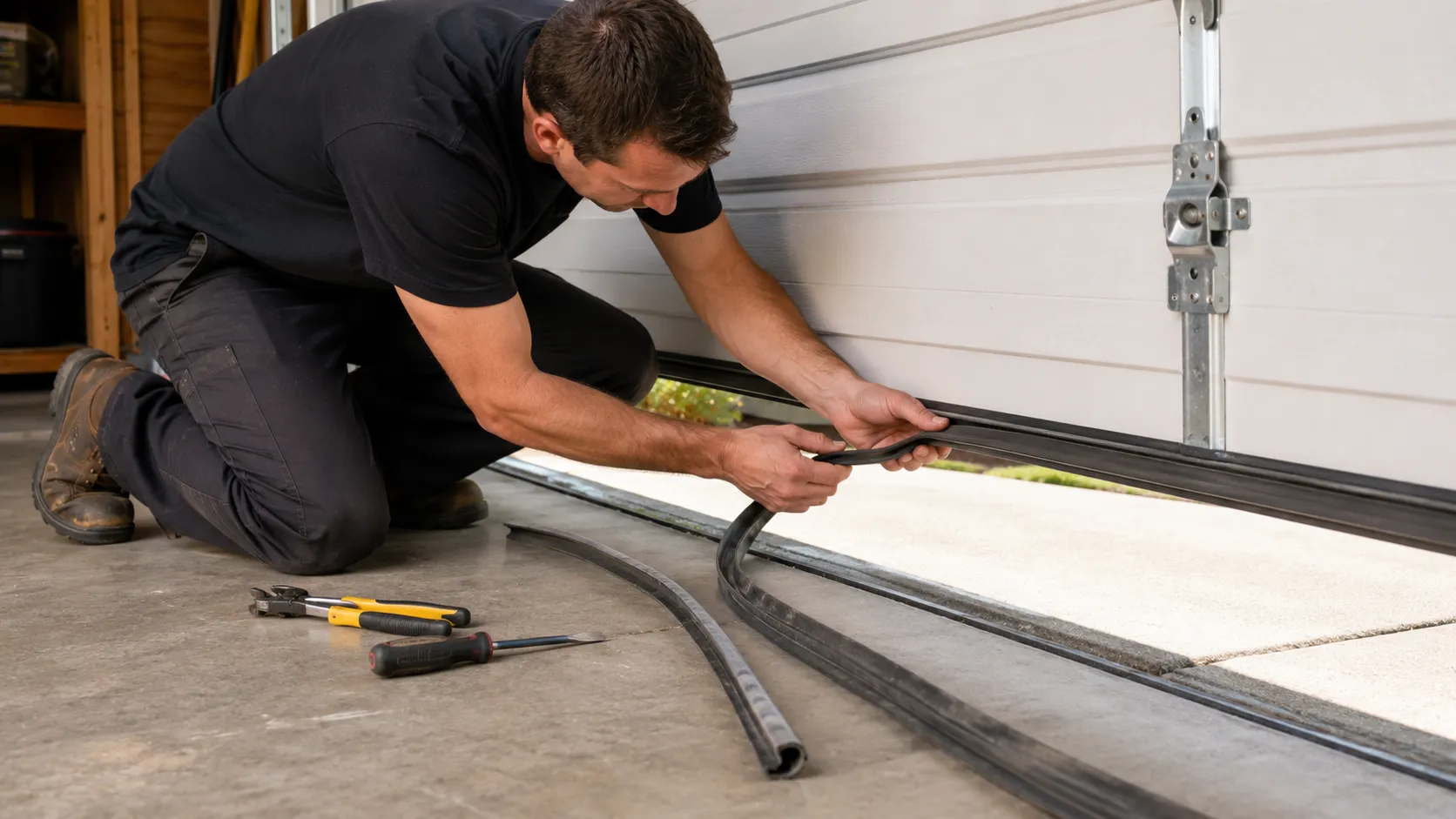
A look at doors, openers and springs we've installed and serviced across the Elk Grove metro.
Where We Work
Neighborhoods across the city and suburbs around the metro. Not sure if we reach you? Just ask.
Local Expertise
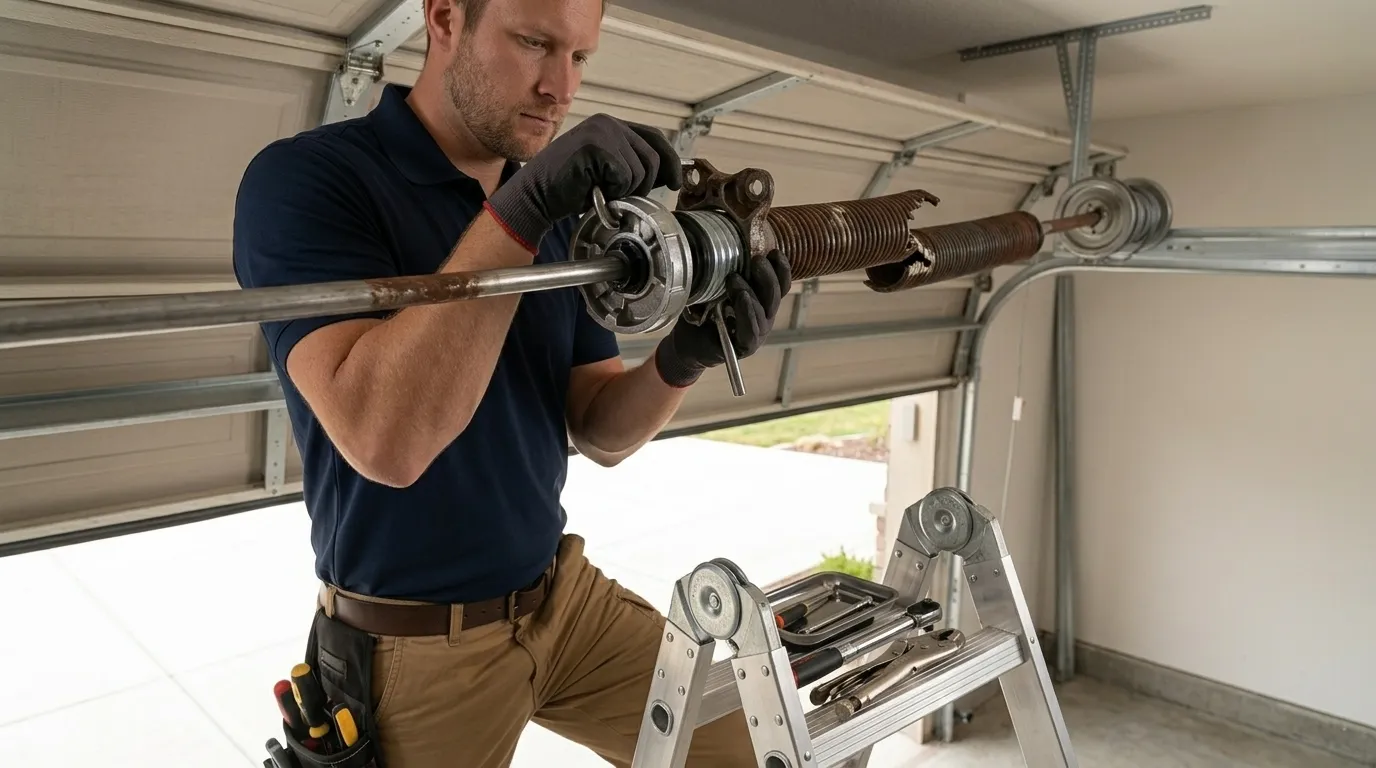
Elk Grove Garage Door Pros works the streets between Florin and Vineyard, out toward Franklin and Parkway, and into the Valley Hi/North Laguna and Laguna West-Lakeside tracts on the west side of town. A service call here is mostly diagnosis and getting the right part on the truck - torsion springs wound for panel weights that were standard when these houses went up between 1946 and 2004, and openers that match whatever chain or belt drive got installed the last time one failed. With a median household income above $90,000 across the service area, most owners here choose to fix things right the first time rather than patch a symptom, and we price jobs accordingly, quoting parts and labor plainly before we start. You're not paying for a sales pitch. A house built in 1968 off Florin likely still has its original steel track, bent at the same spot every homeowner's van clips, and the fix isn't always a full replacement. Some jobs are a spring and a tune, some are a torsion bar and both cables because one broke and the other one's the same age. We tell you which on the first visit, not after we've opened the door twice.
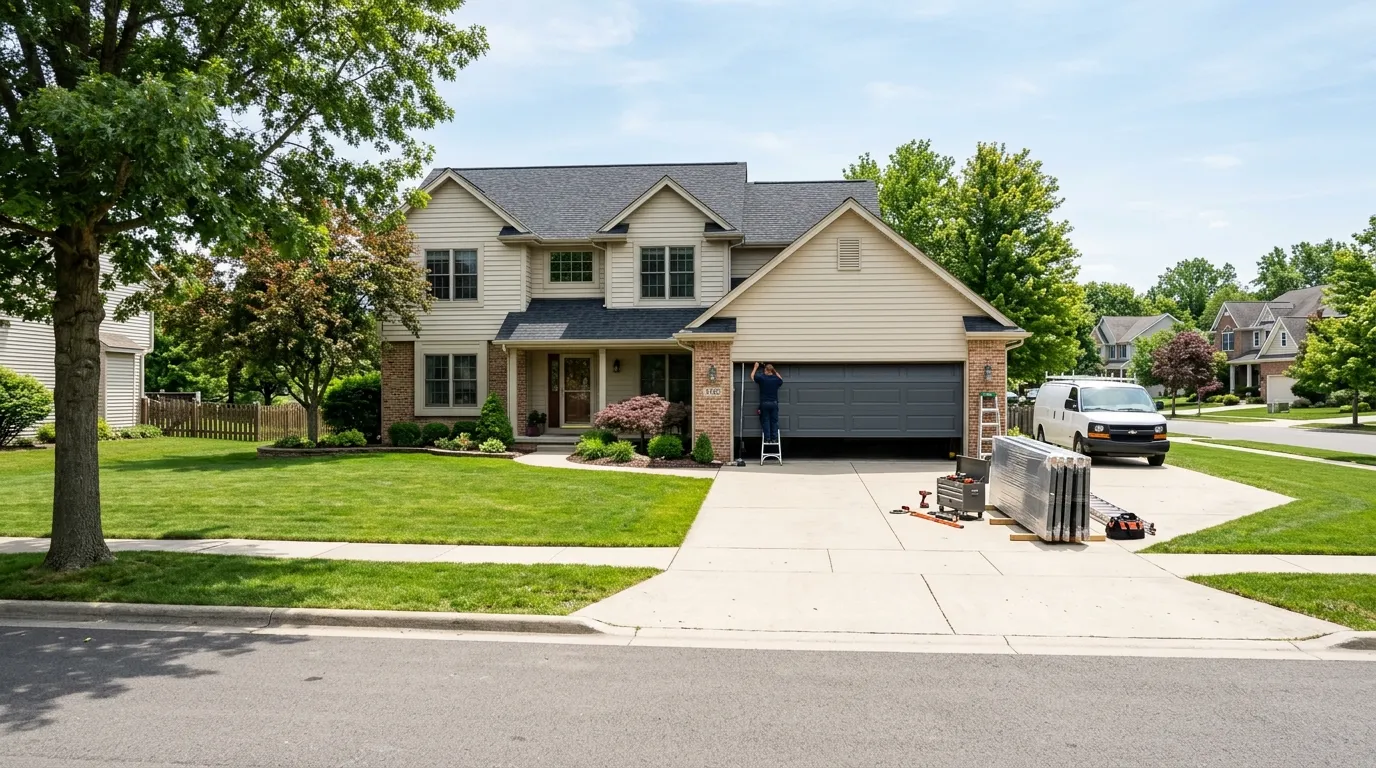
Across the roughly 208,341 households and 82,965 owner-occupied houses in this service area, the housing stock is not one thing - it's 26 named areas that each grew in their own decade, but the center of gravity is 1960s and 70s construction, with the range running from 1946 up through 2004 and a median build year of 1977. That spread matters for garage doors because the hardware changed a lot across those decades. A house from the late 60s in the older tracts likely has a side-mounted torsion spring on a single steel track, sized for a heavier one-piece or early sectional door. A house from the 90s build-out probably has an extension spring setup or a lighter sectional door with plastic rollers that were fine for a decade and are now brittle. When we quote a job we're not guessing at the era - the build year tells us most of what we need to know about what's actually holding your door up before we ever touch a wrench.
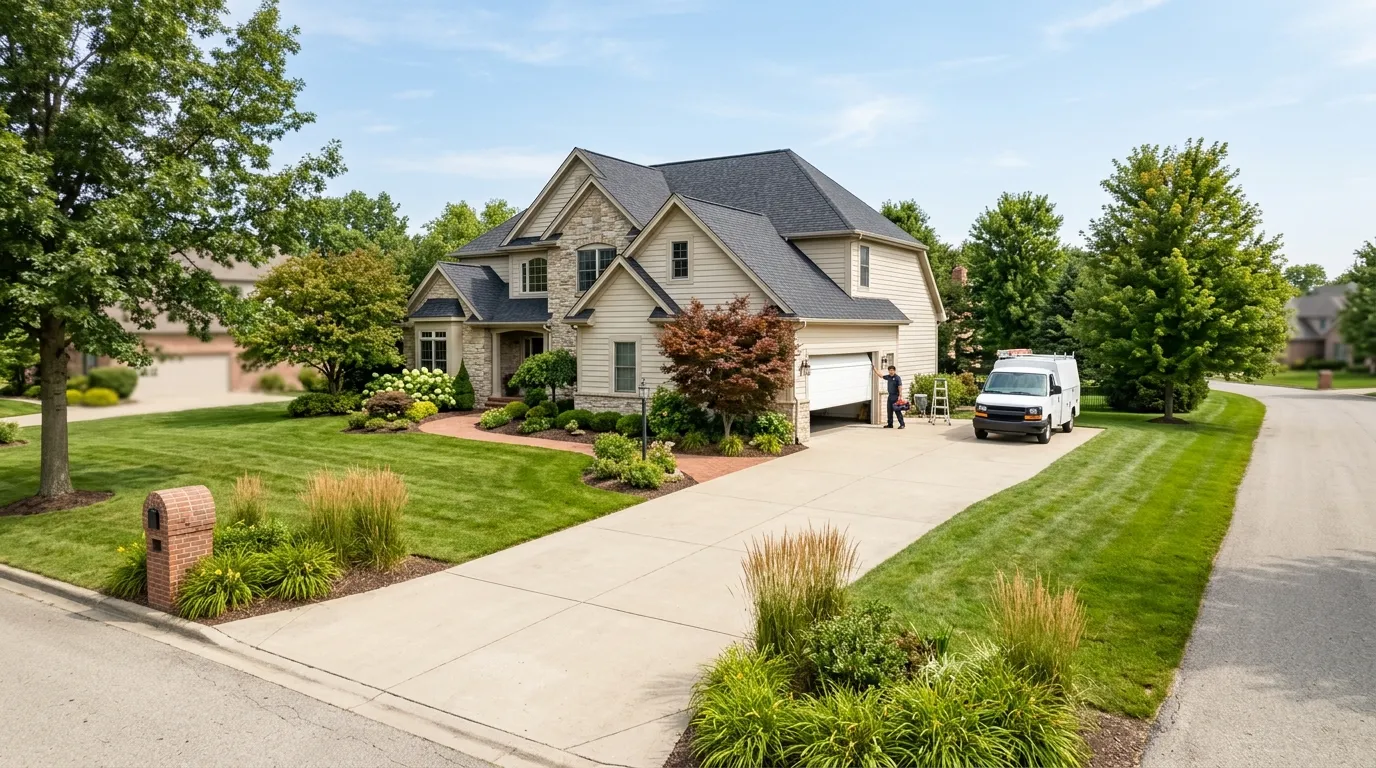
The climate band here is moderate heat, not desert, but it's enough that lubricant on an old torsion spring cooks off faster than the manual says it will, and nylon rollers on doors from the 80s and 90s get brittle and crack rather than wear smooth. What we see most: torsion springs that let go on double doors after years of daily cycling, first-generation belt-drive openers that grind before they quit, and cables that fray where they wrap the drum on doors that have never had the drum re-lubed. On the older side-mount torsion setups still running in the 1960s-built tracts, the failure is usually the spring itself, and it's not a job to do with the door under tension unless you know exactly what you're doing. We don't do cosmetic panel touch-up work - if a panel's dented but the door still runs true, that's a call for a body shop, not us.
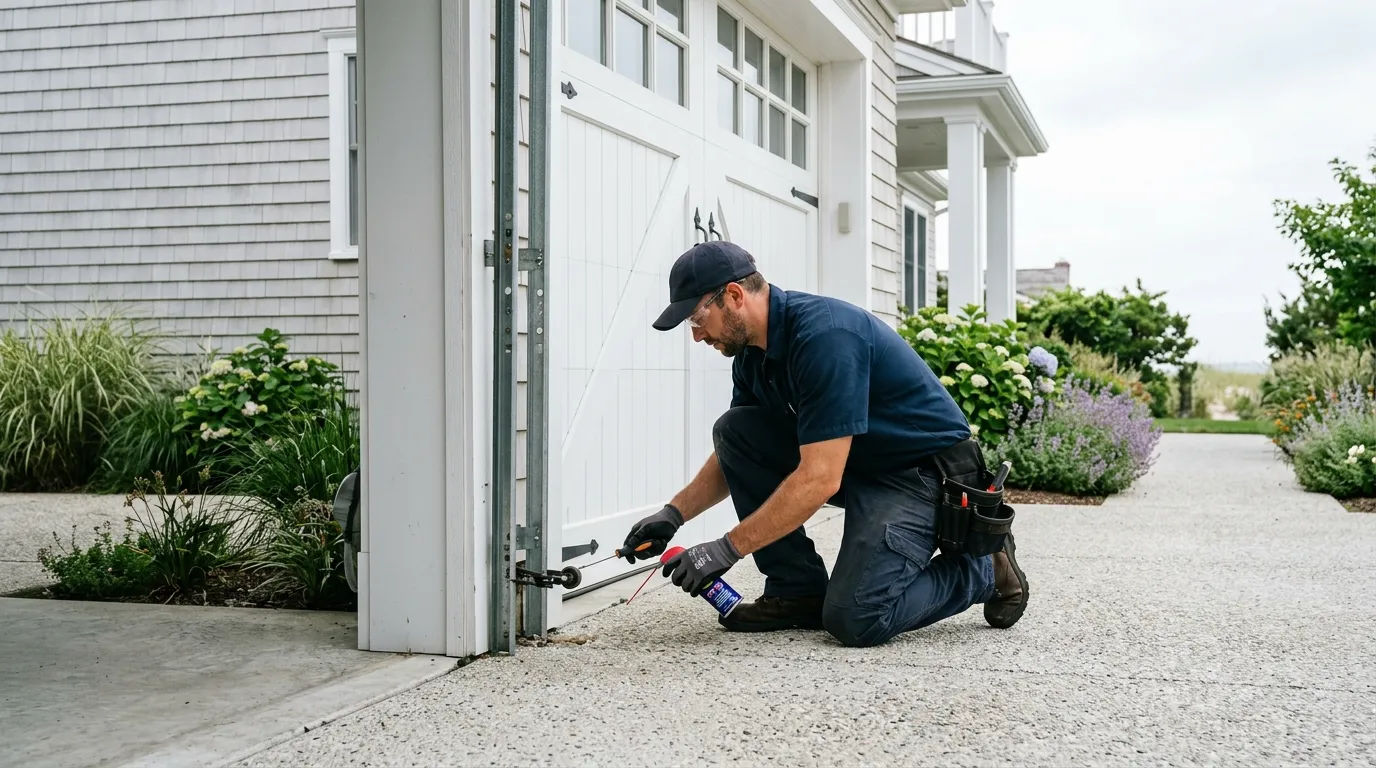
You call, tell us what the door's doing - won't open, opens and reverses, opener light blinking, whatever it is - and we ask the year the house was built if you know it, because that narrows down what we're bringing. On site we check spring tension, track alignment, cable wear, and the opener's logic board before we quote anything. If it's a spring, we replace both on a double door even if only one broke, because the other one is the same age and about to go. If it's an opener that's had two service calls in two years, we'll tell you straight that a new opener will cost less over time than a third repair. You get a number before we start, and the door gets tested with you standing there before we leave.
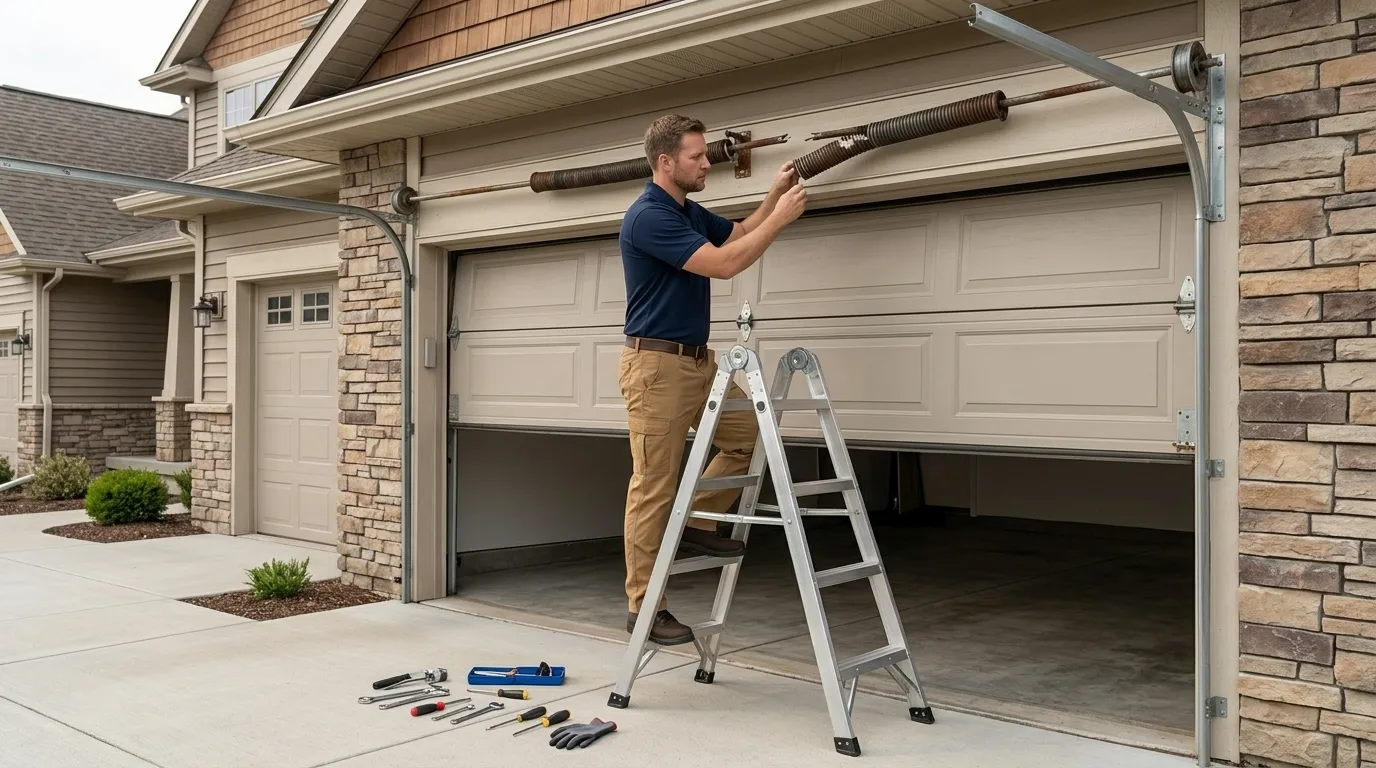
Replacement makes sense when the door itself is the problem, not just a part. A steel door from the 1970s that's rusted through at the bottom panel, or a wood door from the same era that's swelling and sticking every winter, isn't worth chasing with patch repairs - the labor to keep fixing it costs more over a few years than putting in a new insulated sectional door once. Same logic applies to openers built before modern safety reversal standards; if yours predates that, we'll say so and recommend swapping it rather than repairing a board for a unit that's already outdated on safety grounds. What we won't do is push replacement on a door that just needs a spring and a service - plenty of the doors on 1960s and 70s-built streets here are structurally solid and just need the moving parts brought current. The house's age tells us which conversation we're having before we finish the first inspection.
Good to Know
Yes - our calls run from Valley Hi/North Laguna and Laguna West-Lakeside on the west side out through Florin, Vineyard, Franklin, and Parkway. If you're in one of the older 1960s-70s tracts, tell us the approximate build year when you call; it helps us bring the right spring and track hardware on the first trip.
On houses from that era it's almost always the torsion spring, sized for the heavier sectional or one-piece doors builders used then. Steel track bent from years of use and original rollers that have gone brittle are the next most common calls. Cables fraying at the drum show up too, usually alongside a spring that's near the end of its life.
If you've had two repairs on the same opener within a couple years, replacement usually costs less over time than a third service call, and newer units meet safety standards that older boards don't. We'll tell you honestly which side of that line your opener's on before we recommend anything.
No - cosmetic panel damage on a door that still tracks and seals fine isn't something we take on. That's body work, not hardware repair. If the dent's affecting how the door seats or seals against the frame, that's a different story and worth a look.
Call now or request a free quote - same-day service on most repairs, upfront written pricing.