Elk Grove, CA · Garage Door Service
Florin homes built around 1984 run steel rollers on original track that's now worn oval. We travel 5 miles from Elk Grove to swap rollers before the track goes with them.
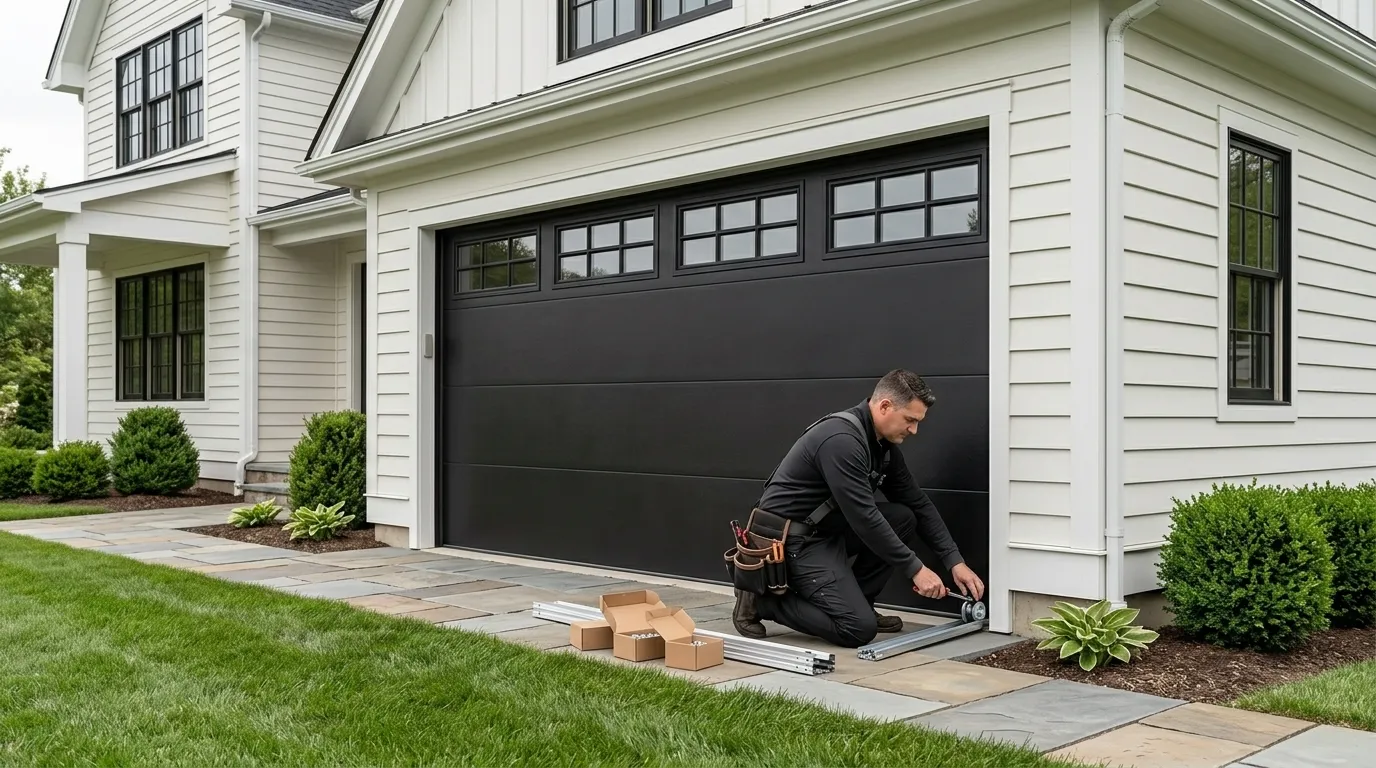
Most doors going up in Florin around the early-to-mid 1980s shipped with steel rollers riding directly in galvanized track, no nylon, no sealed bearings. We carry nylon rollers with sealed bearings on the truck because that's the upgrade almost every one of these jobs turns into once the door is open and the old steel rollers come out grooved. We also carry the short-stem and long-stem versions, since builders in this era weren't consistent about door thickness or track gauge, and swapping the wrong stem length means the roller sits proud of the track lip. What we don't carry is every obscure OEM steel roller from that build year - if your door still has the original stamped-steel rollers and you want an exact factory match rather than a nylon upgrade, that part may need a special order, and we'll tell you that before we quote the job, not after.
The complaint we hear from Florin is almost always the same: a grinding or clunking noise that gets worse as the door travels, loudest near the top or bottom of the run rather than steady the whole way. That pattern points to a roller that's worn down enough to ride out of true in the track instead of a spring or cable problem, which tends to sound different - more of a bang than a grind. On a door built around 1984, thirty-plus years of steel-on-steel contact has usually worn a groove into the track itself, so the roller isn't just old, it's chewing on hardware that was never built to be replaced piece by piece. If the track shows visible wear ridges where the roller sits, roller replacement alone buys you time, not a permanent fix.
Bottom rollers on a door this age are within reach for someone comfortable with a socket wrench and a ladder - the door stays down, the roller sits low, and there's no spring tension involved. Top rollers are a different matter. On many 1984-era doors the top roller sits inside the last hinge bracket near the top track, right by where the torsion spring assembly lives, and pulling the wrong bracket loose can drop a panel or worse. If you're not sure which roller is making the noise, or the door has to come partway open to check, that's the point where a call is worth more than a guess. We won't talk anyone into a service call for a bottom roller they can handle themselves.
We start by running the door through a full cycle to isolate which roller or rollers are worn, since it's rarely just one on a door this old. Then we release track tension enough to swap rollers without pulling the whole door off its hinges - usually one hinge bracket loosened at a time, roller out, roller in, bracket retightened, next one down the line. On Florin doors from this build era we're also checking the track itself for the wear grooves mentioned above; if the groove is deep enough that a new roller still rattles inside it, the track section needs straightening or replacing alongside the rollers, or the new rollers just wear the same way in a few years. We finish by cycling the door again and listening - a proper roller job should be close to silent, and if it isn't, something else got missed.
The most common surprise on these jobs is finding that the track is bent, not just grooved, which happens more on 1980s-built garages where the original track gauge was lighter than what's used today. New rollers in bent track will still bind and wear fast, so replacing track adds to the job. Cables and hinges from the same install year are often at the end of their life too - if a hinge is cracked or a cable is fraying, we'll flag it, because doing rollers alone and leaving a failing cable next to them isn't a full fix. On rare double-door setups from this era, the center hinge carries more load than it was rated for by today's standards, which shows up as accelerated roller wear on just that side - worth checking before you assume both rollers wore evenly.
Most Florin garages went up around 1984, when steel rollers on galvanized track were standard. That hardware has had roughly four decades of steel-on-steel wear, which grooves the track and pits the rollers - something newer nylon-roller installs don't deal with nearly as fast.
No. We're based in Elk Grove and travel out to Florin, about 5 miles away, for roller jobs and other repairs. There's no local branch or drop-off counter here - we bring the parts on the truck.
You can, but on a door built in the early 1980s the other rollers are usually close behind in wear. We'll show you what we find and let you decide - some homeowners want the cheaper single-roller fix now and accept another call later.
Not fully. Bent or grooved track will chew up even new rollers faster than normal. If we find that on your door, we'll flag it separately so you're deciding on track work with real information, not guessing later why the noise came back.
Call now or request a free quote - same-day service on most repairs, upfront written pricing.